
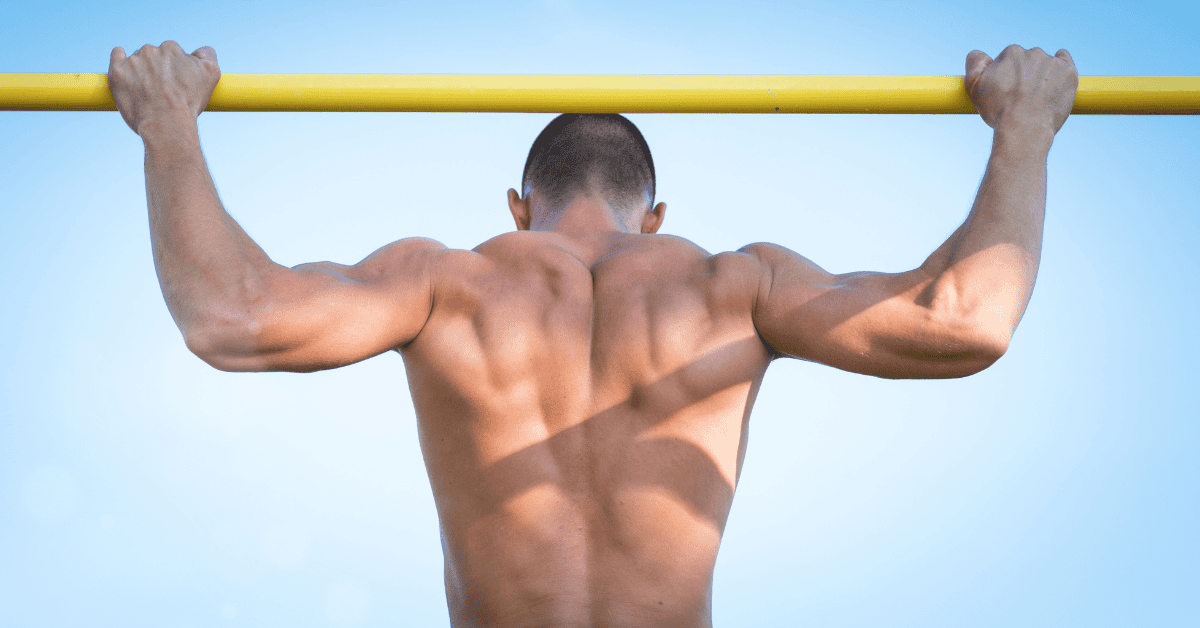
Improve your climbing by following the best workouts for climbers. These workouts target exactly what you need: grip strength, core stability, mobility, and full-body coordination. Whether you’re working toward your first pull-up or trying to stay on the wall during a fingertips-only rock climbing route, this guide helps you train smarter.
You’ll learn how to warm up properly, build upper-body and core strength, train your lower body, and improve your flexibility and range of motion. We’ll cover hangboard protocols, wrist and shoulder conditioning, and how to structure a weekly routine that fits your schedule. Everything here is beginner-friendly and meant to help you climb longer and fall less.
Table of Contents
What Warm-Up Techniques Prepare You for Climbing?

Proper warm-up primes the nervous system and lubricates connective tissues. Your warm-up should increase core temperature, activate movement patterns, and cue joint stability.
Use the following dynamic movements and activation drills:
- Shoulders: Arm circles, resistance band dislocates, scapular push-ups
- Wrists: Wrist rolls, prayer stretches, finger flicks, wall leans
- Hips: 90/90 switches, leg swings, walking lunges with rotation
- Core and Scapula: Bird-dogs, dead bugs, scapular pull-ups, hollow holds
Finish with a gradual increase in climbing-specific load: easy traverses, light hangs, or low-intensity bouldering to activate grip and mental flow.
How Do You Build Upper Body Strength for Climbing?
Vertical power comes from more than pull-ups. You need controlled torque, muscular endurance, and the ability to hold your own body weight in odd positions. You also need to train your pushing muscles to prevent overuse syndromes and shoulder imbalance.
Incorporate these into your strength routine:
Pull Variations:
- Standard pull-ups (shoulder-width, full range)
- Archer pull-ups (for unilateral strength)
- L-sit pull-ups (engage core with upper body)
Push Exercises:
- Push-ups (standard, diamond, archer)
- Dips (parallel bars or rings)
Isometric Work:
- Lock-offs (hold at various pull-up positions)
- Wall sits or tension holds on jugs
The best workouts for climbers target pulling strength, pushing control, and static holds. Be consistent and you will feel the difference on the wall.
What Are the Most Effective Core Workouts for Climbers?
Your core does more than just flex your abs. It stabilizes your spine, controls your hips, and keeps your whole body in line when you’re stretched across an overhang. The best workouts for climbers include exercises that build control across the entire midsection, not just the front.
Start with these:
- Hanging leg raises (2–3 sets of 8–12 reps). Hang from a pull-up bar. Raise your legs slowly until they’re parallel to the floor. Control the movement on the way down. Bend your knees slightly if needed.
- Hollow body holds (3 sets of 20–30 seconds). Lie on your back. Lift your shoulders and legs a few inches off the floor. Keep your lower back pressed down. Breathe through the tension.
- Dead bugs (2–3 sets of 10–12 reps per side). Lie on your back with arms and legs up. Slowly lower opposite arm and leg while keeping your core engaged and spine neutral.
Focus on keeping tension throughout the entire rep. Progress by increasing hold times, adding weight, or slowing down the tempo. Core strength gives you control. Without it, you will lose energy and struggle to stay close to the wall.
How Can You Increase Grip and Finger Strength Safely?
Finger strength builds slowly. Tendons and pulleys adapt on their own timeline. Ignore that and you’ll be sidelined with A2 pulley tears and nagging tendonitis. Instead, train your fingers with the same patience you give to redpointing.
Follow these safe and scalable methods:
Hangboarding
- Start with a basic hangboard protocol: 7 seconds on, 3 seconds off, repeat for 6–8 reps
- Use open-handed grip before moving to half crimp
- Warm up thoroughly before every session
Supplemental Grip Work:
- Finger rolls (barbell or dumbbell)
- Grip trainers (progressive resistance)
- Rice bucket drills (for tendon resilience and rehab)
Finger tendons take longer to recover than muscles. That’s why overtraining can backfire. Rest at least 48 hours between finger sessions, and skip training if your fingers feel sore or swollen. For most climbers, 2 focused finger sessions per week is enough.
When done with care and consistency, grip and finger training makes a huge difference. It supports lock-offs, static reaches, and your ability to stay on small or slick holds. It’s one of the best workouts for climbers pushing into harder grades. Just take your time. This kind of strength builds slowly.
Final Thoughts
A climber who trains like a bodybuilder will plateau quickly, or worse, get injured. Climbing-specific workouts strengthen not just prime movers but the smaller stabilizers and neglected antagonist muscles that protect the shoulder capsule, lumbar spine, and finger pulleys.
The best workouts for climbers target the muscles and movement patterns that climbing uses most. That means improving your mobility and building habits that keep you from getting hurt.
You May also Like
Practical Ways to Handle Common Climbing Finger Injuries
Common climbing finger injuries happen more often than you might think, especially if you’re pushi
 A M
A M 
How To Learn Basic Climbing Techniques Easily
To learn basic climbing techniques easily, you need to focus on three things: body positioning, foot
A M 
Fingertips-Only Rock Climbing: Breaking Down the Fundamentals
Fingertips-only rock climbing, or crimping, is one of the most demanding techniques in the sport. It
A M